10 Things I Did Differently to Make My Third C-Section Recovery My Best Yet
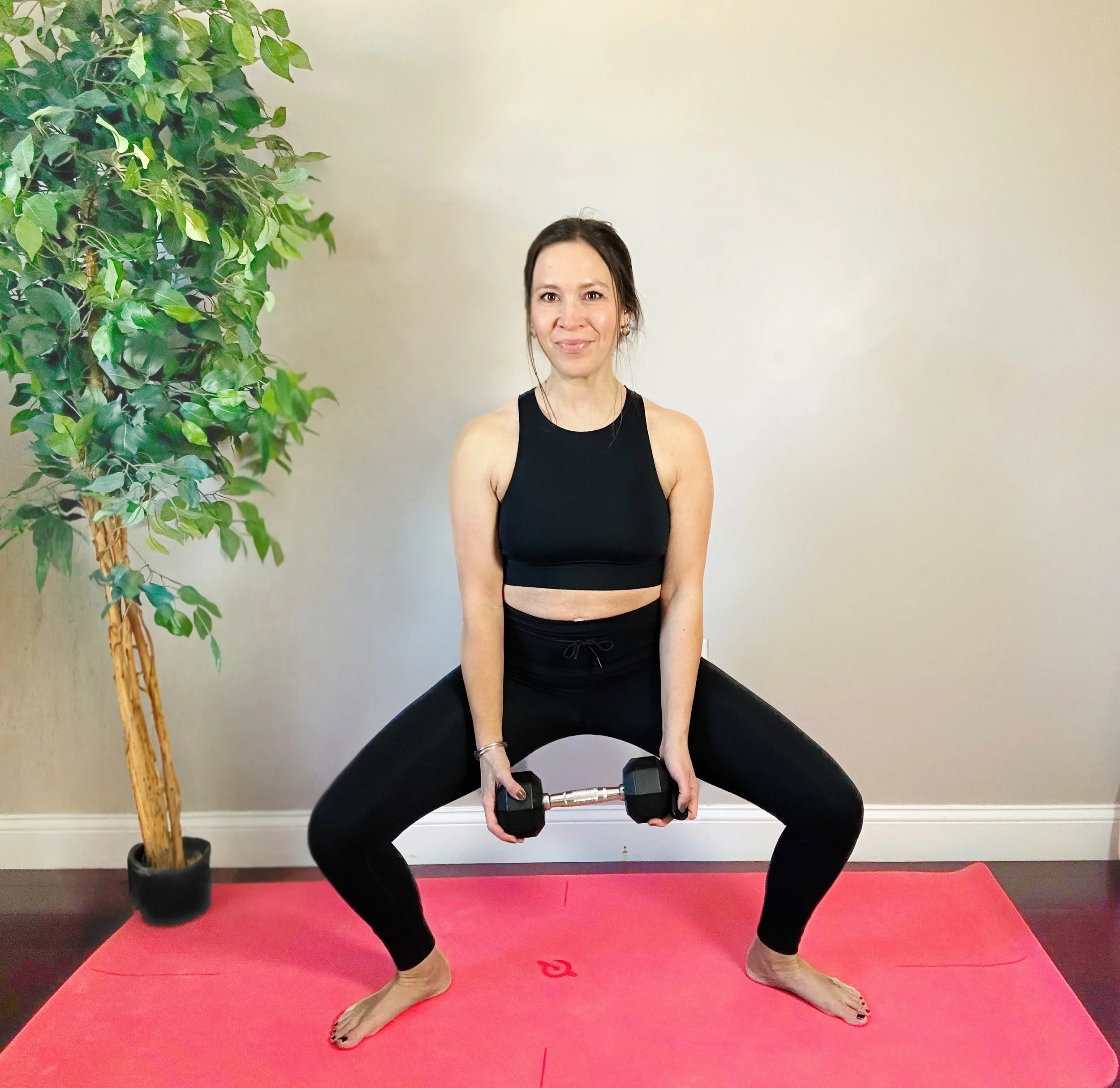
Recovering from a C-section is no small feat — physically, mentally, or emotionally. As a functional medicine provider and pelvic floor physical therapist, I’ve supported many women through postpartum recovery. And yet, with each of my own postpartum experiences, I continue to learn just how much intentional support matters. This third C-section felt different, not because it was easier, but because I approached my recovery with more patience, support, and respect for my body than ever before. These are the 10 things I did differently that helped make this my smoothest and most empowering recovery yet.
1. I started gentle movement on day one
As soon as I was able, I began very gentle, intentional movement. This included ankle pumps, glute squeezes, and eventually standing at the bedside with assistance. Early movement helps stimulate circulation, reduce stiffness, support digestion, and reconnect you to your body — all without pushing healing tissues too far. Our postpartum course helped guide me during these early days and making sure I wasn’t over-doing it.
2. I laid the hospital bed flat multiple times per day
During my hospital stay, I intentionally laid the bed flat a few times each day. This helped counteract the prolonged flexed posture that can contribute to back discomfort, chest tightness, and difficulty standing upright later. It also gently encouraged my body to tolerate a more neutral position again. Additionally, I wanted to be proactive in making sure my scar was healing correctly to prevent shelfing down the road.
3. Reframed my mindset around returning to exercise
When I was cleared for exercise at my six-week appointment, I made a conscious decision to treat this phase of recovery as foundation-building. I had to shift my mindset from “How quickly can I become the fastest or strongest?” to “Let’s spend the next six weeks slowly building a strong base so I can safely and sustainably reach my goals down the road.”
4. I asked for more help (and accepted it)
This time, I truly leaned into support. My parents were in town for 10 days and helped tremendously — with meals, household tasks, and caring for my older children. Asking for help is not a sign of weakness; it’s a critical part of postpartum recovery, especially after major abdominal surgery.
5. I truly rested for the first six weeks.
Aside from rehabilitation exercises, I rested — a lot. Even when I started feeling better, I reminded myself that internal healing was still very much underway. I slowed down, soaked up baby snuggles, and allowed rest to be productive rather than something to “push through. I used our postpartum program to make sure that I was rehabbing appropriately but not pushing it too far.
6. I prioritized protein, fiber, and eating enough
Postpartum hunger is real, especially while healing and potentially breastfeeding. I focused heavily on adequate protein and fiber and made sure I was eating enough. This supported my energy levels, blood sugar stability, regular bowel movements, and overall sense of well-being. I utilized our postpartum program to see exactly what nutrients I should be focusing on and why, I found that this knowledge inspired me to make better nutrition choices.
7. I used silicone scar strips and began scar desensitization early
Once my incision was healed, I used silicone scar strips and gently began desensitizing my scar following our C-section recovery and postpartum workout plan. Early, appropriate scar care can help improve tissue mobility, reduce sensitivity, and support long-term core and pelvic floor function.
8. I started deep core and pelvic floor rehab earlier — but slowly
Around three weeks postpartum, once my pain had significantly improved, I began gentle deep core and pelvic floor rehabilitation. Starting earlier than I had in previous recoveries actually helped reduce my pain, boost my confidence, and made me feel stronger while caring for three kids. I moved slowly, stopped at the first sign of discomfort, and prioritized quality over intensity. Having a clear guide, found in our Optimize Postpartum course allowed me to approach this phase with confidence and empowerment instead of fear.
9. I drank bone broth daily and supplemented with collagen
Bone broth became a daily ritual. It’s comforting, easy to digest, high in protein, and supportive of tissue healing. I also supplemented with collagen, which can support connective tissue repair — a helpful addition during surgical recovery.
10. I didn’t rush my return to exercise
Being “cleared” at six weeks postpartum doesn’t mean jumping right back into workouts. I reframed clearance as permission to begin the next phase of rehabilitation, not resume everything immediately. I reminded myself daily that my body had undergone major surgery and that fitness is a lifelong journey — not something to rush.
Final Thoughts
This recovery taught me that healing isn’t about doing more, it’s about doing what’s supportive, intentional, and sustainable. Every postpartum experience is different, but with the right tools, education, and support, recovery can feel empowering instead of overwhelming. If you’re navigating postpartum recovery — whether it’s your first or fifth — we would love to help you feel supported.You can find all of the resources I used for my own recovery inside our Optimize Postpartum Program. This program is designed for both vaginal and C-section births and supports you through postpartum rehabilitation while helping you build a strong foundation to confidently return to fitness and everyday life as a mom.